English version (machine translated) follows below.
Le nostre resistenze invisibili
Ti è mai capitato di avere un’idea brillante che poi è rimasta lì, bloccata da quella vocina nella testa? “Voglio riprendere le lezioni di canto”. E subito, come per magia, parte quella vocina interiore che dice: “Eh, ma è difficile… e poi, quando ti servirà davvero?”
Quella vocina non è nuova. È saltata fuori anche l’anno scorso, quando avevamo deciso di ribellarci al divano e iscriverci in palestra. O due anni fa, quando avevamo in mente quei quindici giorni in India per fare volontariato. Nonostante il desiderio forte dentro di noi, qualcosa ci ferma: un muro invisibile, una resistenza sottile ma vera, che ci blocca tra l’idea e l’azione.
Dopo esserci chiesti se siamo onestamente interessati a quel progetto nuovo, forse dobbiamo fermarci e cercare di capire se nella nostra testa, ci sia qualche piccolo sabotatore interiore che bisbigliando al nostro orecchio alcune parole, ci blocca: sono le nostre credenze limitanti.
Le credenze limitanti sono idee o convinzioni profondamente radicate che, spesso inconsciamente, bloccano il nostro agire e il nostro potenziale, impedendoci di cogliere nuove opportunità. Queste diventano la nostra intima visione del mondo, spesso comprimibile in una sola frase.
Da dove arrivano queste credenze?
Queste resistenze nascono da convinzioni limitanti radicate dentro di noi, nate in momenti in cui avevamo paura o stavamo vivendo situazioni difficili. Sono emerse a proteggerci, quando noi non eravamo in grado di contrastare una situazione, magari perché piccoli o inesperti. E “grazie” a queste credenze limitanti siamo riusciti a non rischiare di metterci in gioco (e la vocina sussurra “Se una cosa non è utile, non è il caso di farla”). A fermarci per non correre rischi (ancora lei “Stai anonimo, sei piu’ al sicuro”). A nasconderci per non esporci (“Lascia perdere, tanto da solo cosa vuoi fare, non serve a nulla”.)
Queste voci non hanno un valore morale, non sono cattive o buone. Sono state utili, ci hanno aiutato: ma forse oggi non ci servono più come una volta e ci bloccano davanti alle opportunità di crescita e cambiamento.
(Non riesco a trattenermi. A condizioni limitanti non riesco a non citare un Woody Allen vestito da spermatozoo nel film “Tutto quello che avreste voluto sapere sul sesso* ma non avete mai osato chiedere”: in un laboratorio tecnologico (il cervello umano), tutti gli organi del corpo si ritrovano a collaborare per cercare di far riuscire al meglio l’appuntamento con una ragazza…. Ma troveranno un piccolo sabotatore e…. – e non dico altro, ma vi invito a cercarlo)
A volte, invece, le abbiamo apprese da sistemi esterni. Se una struttura sociale ti dice “solo quelle belle fanno carriera” o “questo lavoro non è da uomo”, finisci per crederci, quasi senza accorgertene. Se qualcuno ti dice che il tuo valore è dettato dalla lunghezza della tua auto, ci crederai. Se ti dicono che, se sei del colore sbagliato, non puoi sceglierti il posto sul bus, ci crederai (ma poi arriva Rosa Parks e spariglia le carte).
Ho imparato, nel mio percorso di coaching, che riconoscere queste resistenze è il primo passo per trasformarle. Ti invito a salutare quella vocina con curiosità per identificarla.
Una delle mie credenze interiori ha letteralmente un nome e quando appare fra i pensieri la saluto “oh ciao, di nuovo qui?”. Una volta riconosciuta, si potrà cominciare a negoziare con questa credenza, trovare compromessi e smontare i muri che ci frenano. “Ok ti vedo. Da cosa cerchi di proteggermi? Sei ancora funzionale o posso proteggermi io in questa situazione? Chi dice che deve essere tutto perfetto? Possiamo trovare un compromesso per cui mi lasci provare questa nuova cosa, anche se sappiamo entrambe che non è perfetta?”
La vera libertà, quella che il coaching cerca di coltivare, è scegliere consapevolmente di muoverti verso ciò che desideri, nonostante le tue paure e resistenze.
E tu, quale nome darai alla tua vocina interiore?
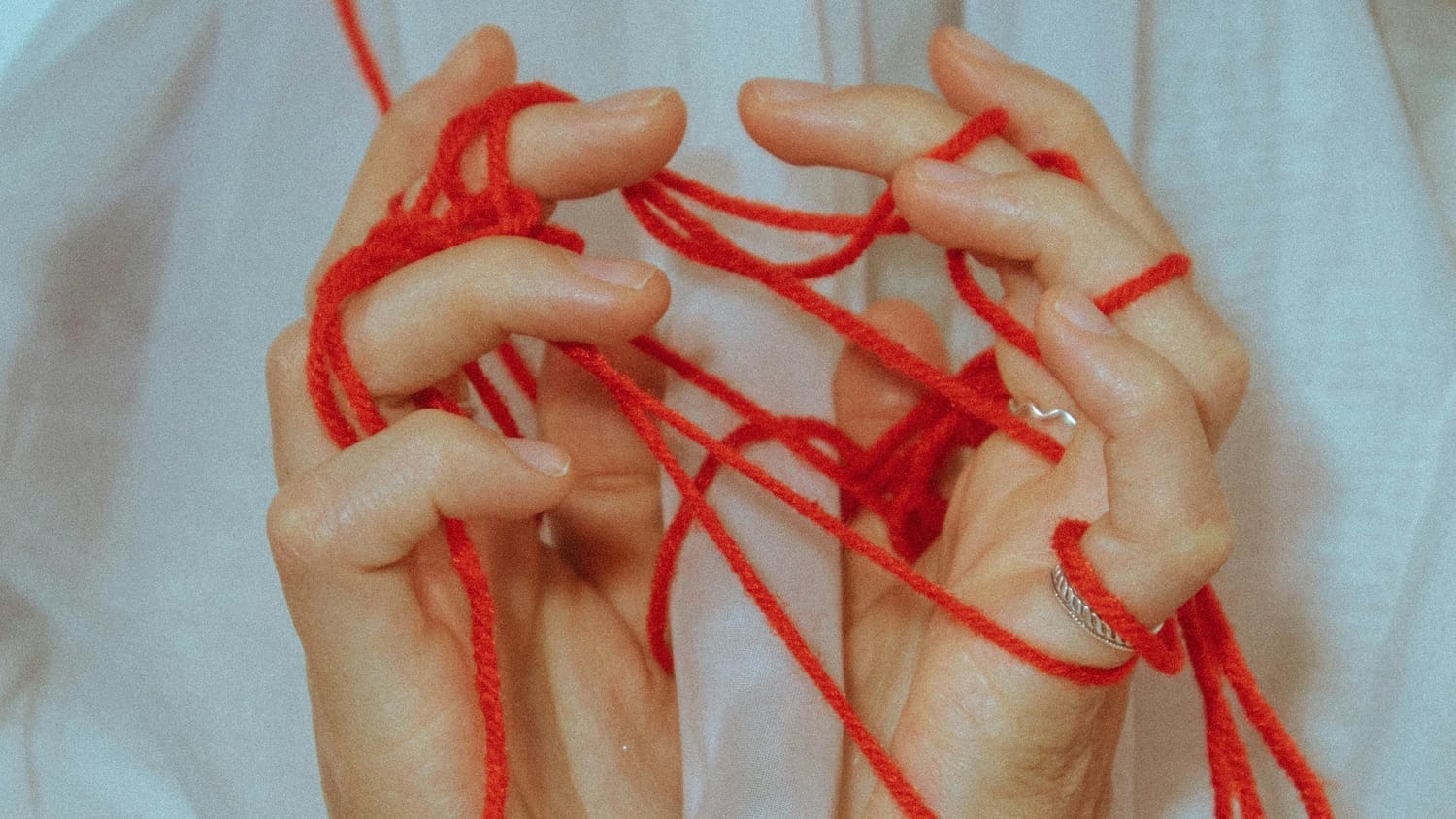
Our Invisible Resistances “Yeah, but it’s difficult. And then, when will I use it? It won’t change anything anyway!”
Have you ever had a brilliant idea that then just stayed there, blocked by that little voice in your head? “I want to take singing lessons again.” And immediately, as if by magic, that inner voice starts saying: “Yeah, but it’s difficult… and besides, when will you really need it?”
That voice is not new. It popped up last year too, when we decided to rebel against the couch and sign up for the gym. Or two years ago, when we had in mind those fifteen days in India to do volunteer work. Despite the strong desire inside us, something stops us: an invisible wall, a subtle but real resistance, blocking us between the idea and the action.
After asking ourselves if we are honestly interested in that new project, maybe we need to pause and try to understand if inside our heads there is a little inner saboteur whispering some words in our ear that stop us: these are our limiting beliefs.
Limiting beliefs are deeply rooted ideas or convictions that, often unconsciously, block our actions and potential, preventing us from seizing new opportunities. These become our intimate worldview, often compressible into a single sentence.
Where do these beliefs come from?
These resistances arise from limiting beliefs rooted inside us, born at times when we were afraid or experiencing difficult situations. They emerged to protect us when we were unable to face a situation, maybe because we were young or inexperienced. And “thanks” to these limiting beliefs, we managed not to risk putting ourselves out there (and the voice whispers “If something isn’t useful, it’s not worth doing”). To stop ourselves from taking risks (again, “Stay anonymous, you’re safer”). To hide so as not to expose ourselves (“Forget it, alone what can you do, it’s useless”).
These voices have no moral value, they are neither good nor bad. They were useful, they helped us: but maybe today they no longer serve us as they once did and block us in front of opportunities for growth and change.
(I can’t resist. Speaking of limiting beliefs, I can’t help but mention Woody Allen dressed as a spermatozoon in the movie "Everything You Always Wanted to Know About Sex* But Were Afraid to Ask": in a technological lab (the human brain), all the body’s organs come together to try to make the best possible date with a girl… But they find a little saboteur and… – I won’t say more, but I invite you to look for it)
Sometimes, instead, we have absorbed them from external systems. If a social structure tells you “only beautiful people make it” or “this job is not for men,” you end up believing it almost without realizing it. If someone tells you that your worth is determined by the length of your car, you’ll believe it. If they tell you that if you have the wrong color, you can’t choose your seat on the bus, you’ll believe it (but then Rosa Parks comes along and changes the game).
I have learned, in my coaching journey, that recognizing these resistances is the first step toward transforming them. I invite you to greet that voice with curiosity to identify it.
One of my inner beliefs literally has a name, and when it appears among my thoughts I greet it, “Oh hi, here you are again?” Once recognized, you can start negotiating with this belief, finding compromises and dismantling the walls that hold you back. “Okay, I see you. What are you trying to protect me from? Are you still functional or can I protect myself in this situation? Who says everything has to be perfect? Can we find a compromise so you let me try this new thing, even though we both know it’s not perfect?”
True freedom, the one coaching seeks to cultivate, is consciously choosing to move toward what you desire despite your fears and resistances.
And you, what name will you give to your inner voice?
Cosa ti fa venire in mente questo post?
YOU MIGHT ALSO LIKE
Ti incuriosiscono i bias cognitivi? Scarica la mia guida gratuita e scopri i piccoli sabotatori delle tue decisioni. Non mi devi neanche lasciare la tua mail, tranquill*
Privacy policy: https://www.iubenda.com/privacy-policy/31240018
Cookie Policy: https://www.iubenda.com/privacy-policy/31240018/cookie-policy
Creato con ©systeme.io