
English version (machine translated) follows below.
La paura disegnata: lezioni da una quinta elementare
Quest’anno ho cominciato un breve percorso teatrale con i bambini della classe quinta elementare di una scuola locale. Il tema di quest’anno sono i sentimenti: riconoscerli, esprimerli, capirne le motivazioni e “giocarci” teatralmente.
L’altro giorno abbiamo affrontato la lezione sulla paura. Dopo circa un’ora di attività teatrali, camminate sul palco e improvvisazioni, siamo arrivati a parlare del “ruolo” della paura. Cosa la scatena? La percezione di una minaccia al nostro benessere fisico o emotivo: può essere reale o immaginaria, vicina o lontana. “È normale avere paura?” — una breve discussione ci porta a capire che sì, non solo è normale, ma anche utile, perché ci protegge e ci aiuta a reagire di fronte a un pericolo.
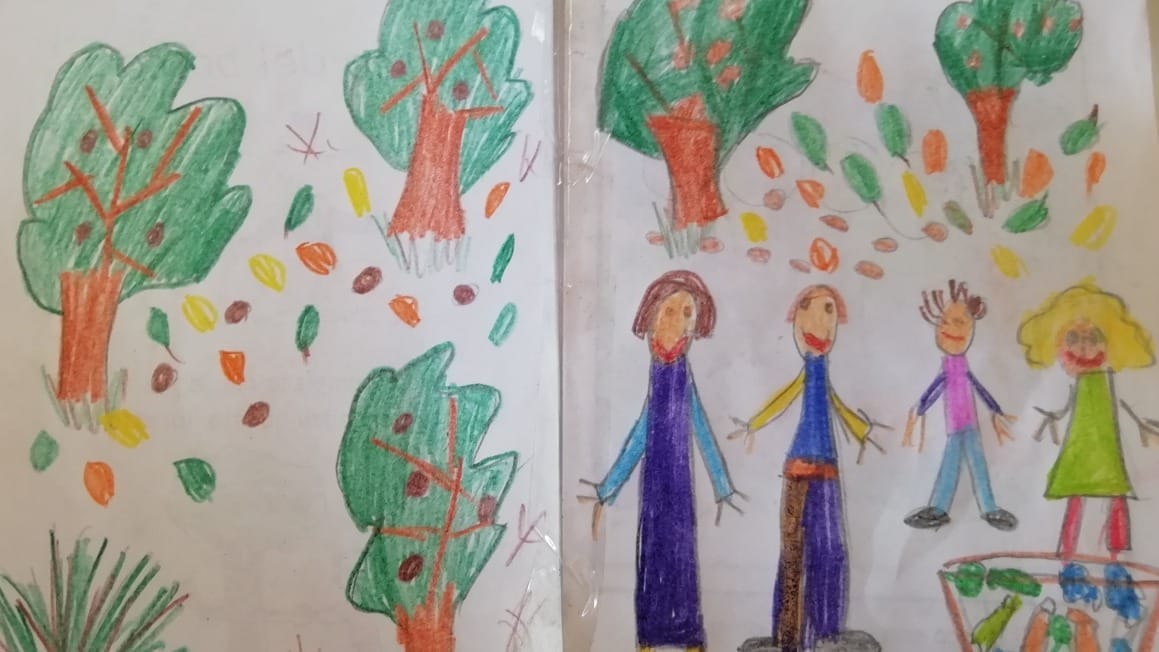
Come faccio a volte, ho dato una consegna volutamente vaga per lasciare libertà d’azione. Ho distribuito fogli e colori e chiesto ai bambini di “disegnare la paura.” Dopo cinque minuti, ho domandato loro di girare il foglio e pensare a come poter contrastare quella paura.
Accanto agli aspiranti cowboy, la cui paura era un uomo con il coltello e che rispondevano con una pistola (su cui poi conveniamo che, prima di sparare, basta chiudere la porta di casa), sono comparsi disegni che mi hanno fatto capire quanto spesso i bambini siano più saggi di noi adulti.
Un bambino disegna due bandiere con i colori di vari paesi in guerra, tra loro spade e un simbolo di radiazioni. Gira il foglio e scrive quattro lettere: PACE.
Una bambina raffigura un mostro triangolare stilizzato, con tante zampette, peloso, e una specie di serpentello sotto. Sul retro disegna una lampadina, con su scritto “un’idea”. Mi spiega: "a volte, con un’idea posso combattere la mia paura. A volte la paura è solo un'idea."
Di fantasmi dissolti con la luce di una torcia ce ne sono stati almeno quattro.
Poi arriva un bambino il cui disegno rappresenta, sul lato della paura, la parola “Futuro” dentro una spirale e accanto un punto interrogativo. Il primo istinto? Abbracciarlo. Scusarmi, a nome di tutti gli adulti, perché lui — a undici anni — debba avere paura del futuro. Giro il foglio e leggo: “Non pensare al futuro. Pensa al presente, così potrai goderti la realtà.”
E lì, come spesso accade, ho capito di avere la fortuna di imparare dai bambini ai quali credo di insegnare il gioco del teatro.
Fear Drawn: Lessons from a Fifth-Grade Class"
This year, I began a short theater project with the children in the fifth grade. The theme for this year is emotions: recognizing them, expressing them, understanding their causes, and “playing” with them through theater.
The other day, we explored the lesson about fear. After about an hour of theater activities, walking on stage, and improvisations, we began talking about the role of fear. What triggers it? The perception of a threat to our physical or emotional wellbeing — it can be real or imaginary, near or far. “Is it normal to feel fear?” A brief discussion led us to understand that yes, not only is it normal, but it is also useful, because it protects us and helps us react in the face of danger.
As I sometimes do, I gave them a deliberately open-ended task to leave room for creativity. I handed out paper and colors and asked the children to “draw their fear.” After five minutes, I told them to turn the page over and think about how they could counter that fear.
Alongside the aspiring cowboys, whose fear was a man with a knife — and who responded with a gun (though we later agreed that before shooting, it’s enough to close the door at home) — there appeared drawings that made me realize how often children are wiser than we adults are.
One boy drew two flags with the colors of countries at war, between them swords and a radiation symbol. He turned the page and wrote four letters: PEACE.
A girl drew a stylized triangular monster, with many little legs, furry, and a sort of small snake beneath it. On the back, she drew a light bulb with the words “an idea.” She explained: sometimes, with an idea, I can fight my fear. Sometimes fear is just an idea.
There were at least four ghosts dissolved by the light of a flashlight.
Then came a boy whose drawing, on the fear side, showed the word “Future” inside a spiral, with a question mark next to it. My first instinct? To hug him. To apologize, on behalf of all adults, because at eleven years old he should not have to be afraid of the future. I turned the page and read: “Don’t think about the future. Think about the present, so you can enjoy reality.”
And there, as often happens, I realized how lucky I am to learn from the children I believe I’m teaching the art of theater .
Cosa ti fa venire in mente questo post?
YOU MIGHT ALSO LIKE
Ti incuriosiscono i bias cognitivi? Scarica la mia guida gratuita e scopri i piccoli sabotatori delle tue decisioni. Non mi devi neanche lasciare la tua mail, tranquill*
Privacy policy: https://www.iubenda.com/privacy-policy/31240018
Cookie Policy: https://www.iubenda.com/privacy-policy/31240018/cookie-policy
Creato con ©systeme.io